

Living Labs
The AM2PM Living Labs bring together a multidisciplinary team of experts across Europe, combining diverse expertise with real-world environments to develop, test, and validate innovative construction solutions.
Our Team
Senior Scientists

Associate Dean for Graduate Studies, Academic Head of the Technion Advanced Construction Center, Director of the MTRL Lab
He is the Project Coordinator of AM2PM. His research focuses on the synergy between information technologies, computational languages, and digital fabrication systems, examining the way in which disruptive technologies inform and generate innovative approaches to design and construction processes.

Lean Construction Safety, Safe Human Robot Collaboration Work Environments, Digital Building Logbook for Sustainability.

PI leading WP2
Their WP addresses the structural optimization of building components to be fabricated using 3D printing. The aim is reducing the embodied carbon of concrete load-bearing components by enabling significant weight reduction.

Head of the Seskin Virtual Construction Lab, Director of the National Building Research Institute
In AM2PM, he works with our partners and students to develop, evaluate and refine production system configurations for construction of high-rise buildings using additive manufacturing, robotic, mechanized and conventional construction methods. Our work includes adaptation of building component designs to suit the novel production system.

Leader of WP1
Entrusted with the development of mix design incorporating secondary raw materials, such as wastes and recycled materials, to be applied in 3D printing. The development is based on quantification of fundamental rheological, physical and mechanical properties as well as in-situ performance characterization. Quantification is focused on parameters upon which sensing technologies can be developed for quality control of the printing process.

Our Team
Young Researchers

Associate Researcher working with professor Oded Amir on developing holistic design tools for 3D-printed concrete, bridging digital design with practical fabrication. This work integrates material behavior, fabrication considerations, and prestressing within topology optimization to deliver sustainable, structurally optimized, efficient, and print-ready designs.

Within AM2PM, he develops the digital and cyber-physical infrastructure for robotic additive manufacturing, enabling data-driven and predictive fabrication workflows through the Learning-by-Printing approach.

In AM2PM his task is to develop and deploy a Digital Twin Infrastructure leveraging AI and Linked Data approaches.

He is supporting ongoing research on Learning-by-Printing, which aims to achieve high-quality results in additive manufacturing for construction using various sensor techniques. Since the quality of the final products can fluctuate due to changing environmental and material conditions, extensive data is collected to predict optimal parameters for specific setups and situations.

He aims to understand and integrate work from various disciplines, such as computational design, material composition, life cycle analysis, simulations, and learning by printing, into a unified system. This system is intended to enable robots and 3D printers to make informed decisions based on the full range of data generated across these disciplines, while also providing feedback to each domain to support continuous optimisation.

Researcher in digital fabrication, robotic architecture, and parametric design
Within WP1, the work focuses on evaluating material behavior in relation to robotic 3D printing processes. This includes operating robotic systems and developing experimental setups to assess material performance during and after fabrication in relation to process constraints.

Researcher and MSc Student, Technion – Israel Institute of Technology
Working under Prof. Arnon Bentur within WP1, supporting the development and testing of materials and processes for additive manufacturing in construction. His contribution also draws on experience in digital fabrication and non-planar 3D printing, helping connect material development with advanced printing applications.
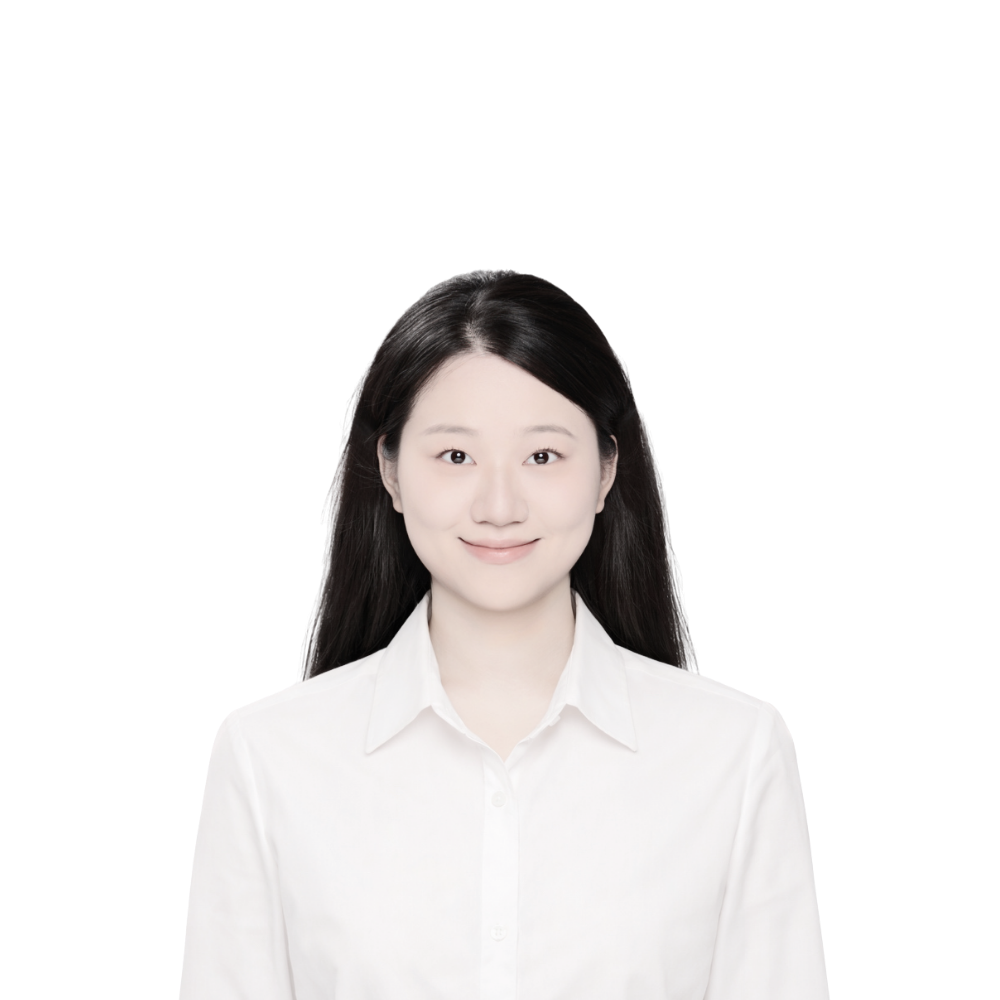
Technion – Israel Institute of Technology
Within AM2PM, she contributes to the development and evaluation of production system configurations for high-rise construction, as well as simulation-based analysis to assess and optimize these configurations. Her work focuses on linking design decisions with construction processes in automated and human–robot collaborative environments.
Presentations
Innovation Panel
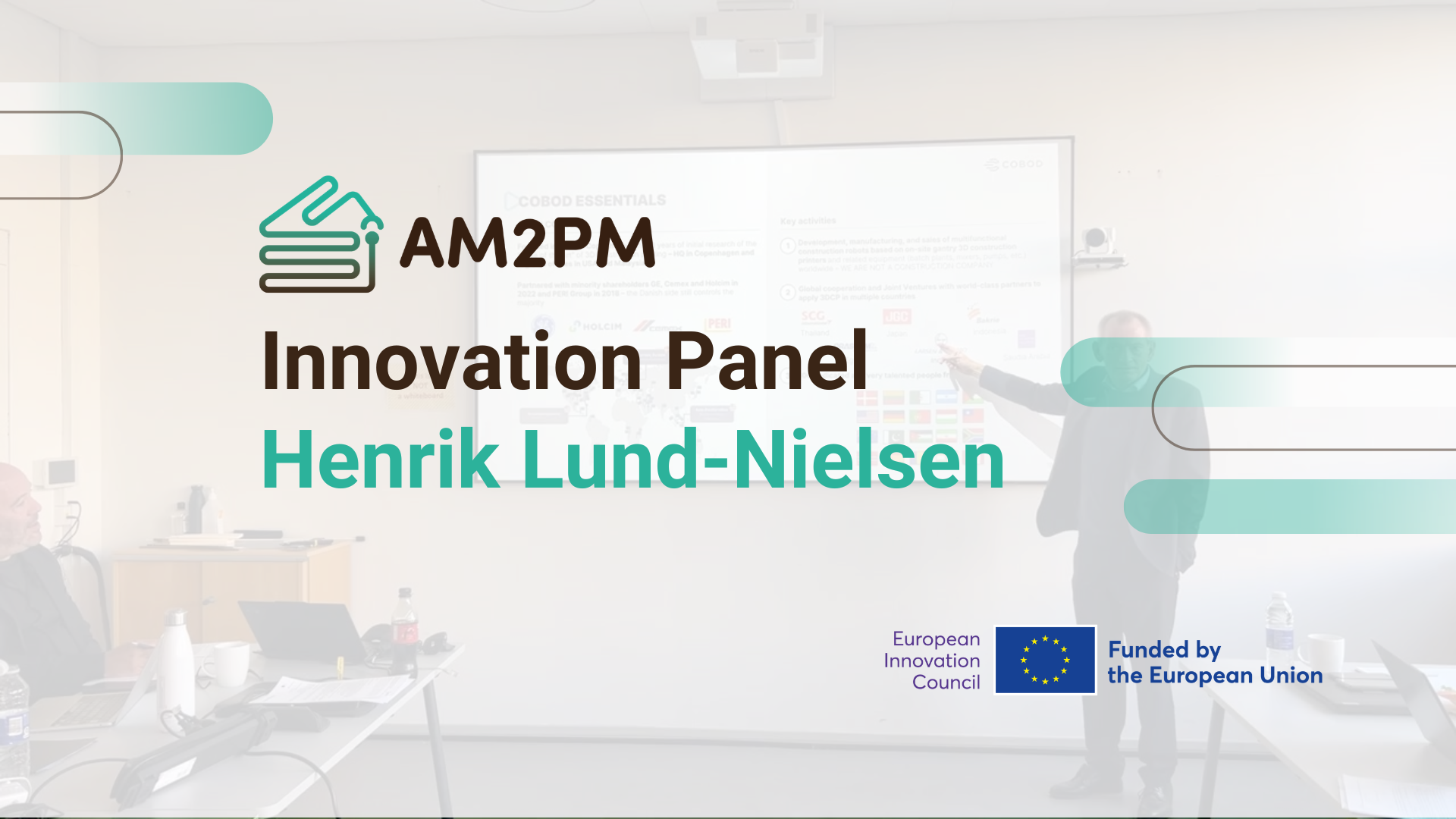
Henrik Lund-Nielsen – COBOD
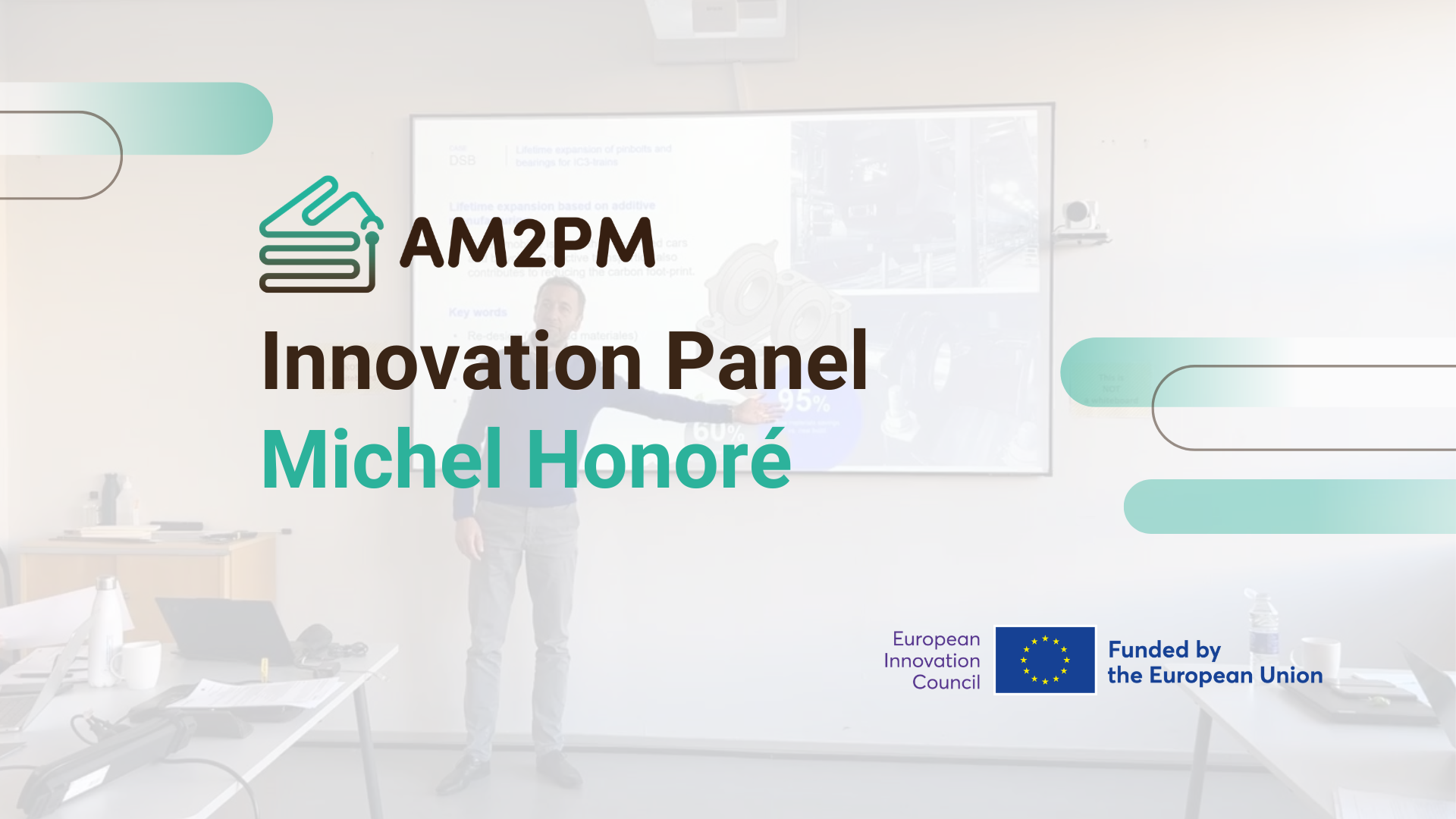
Michel Honoré – FORCE Technology
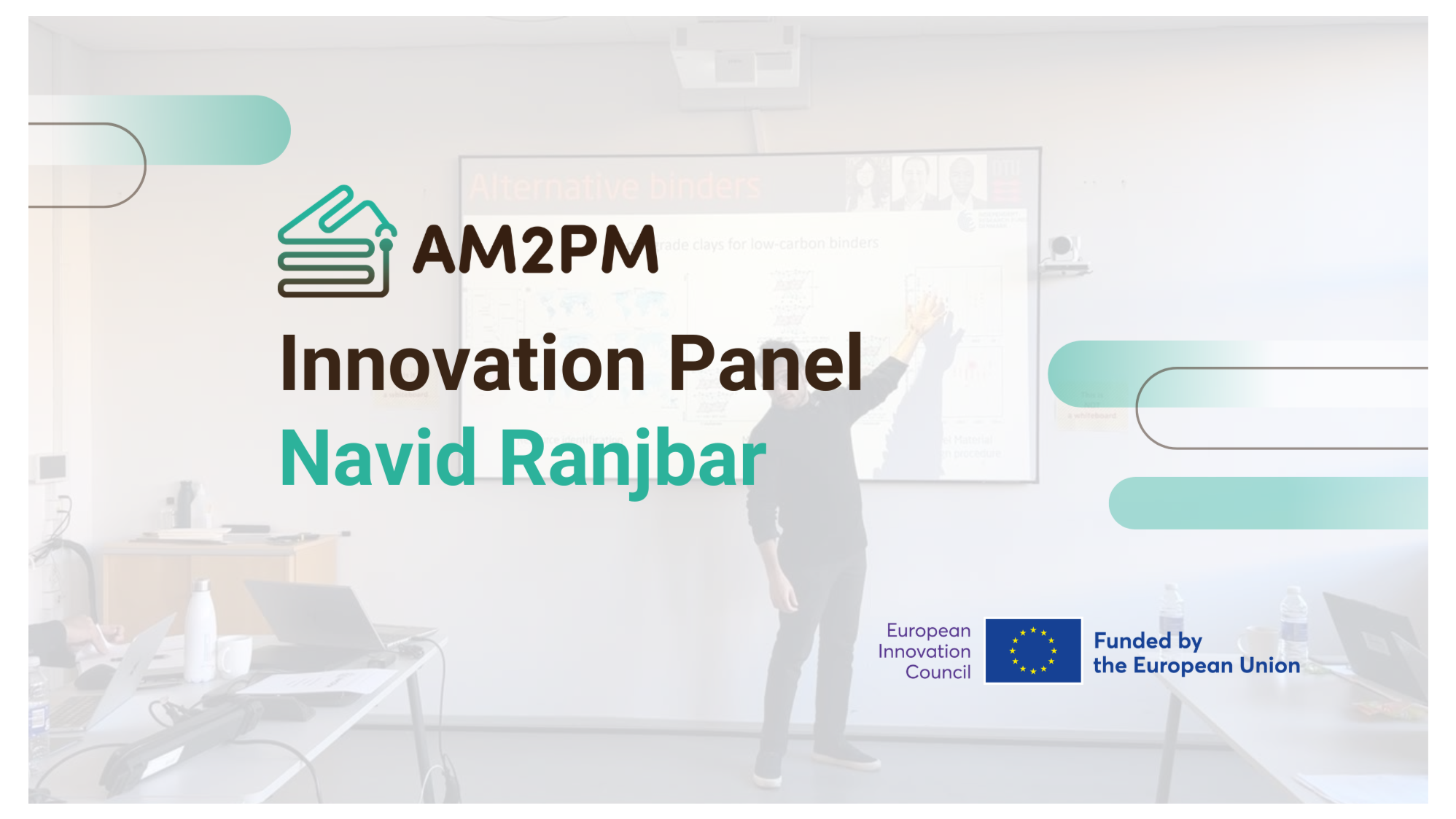
Navid Ranjbar – DiGiMAT

Panel Discussion